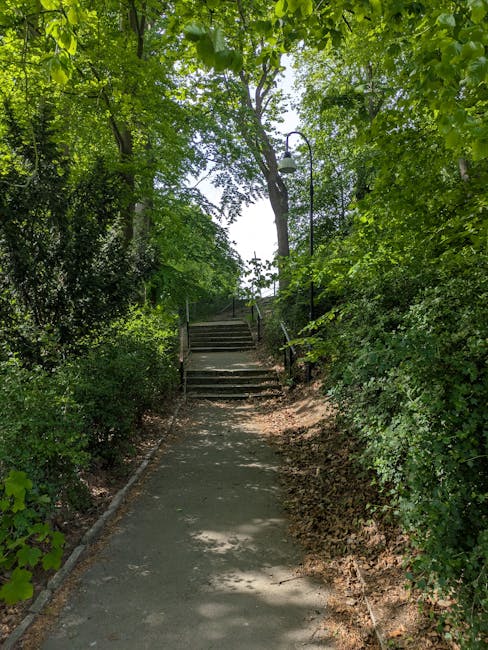
Common access problems for Crouch End gardeners on lanes
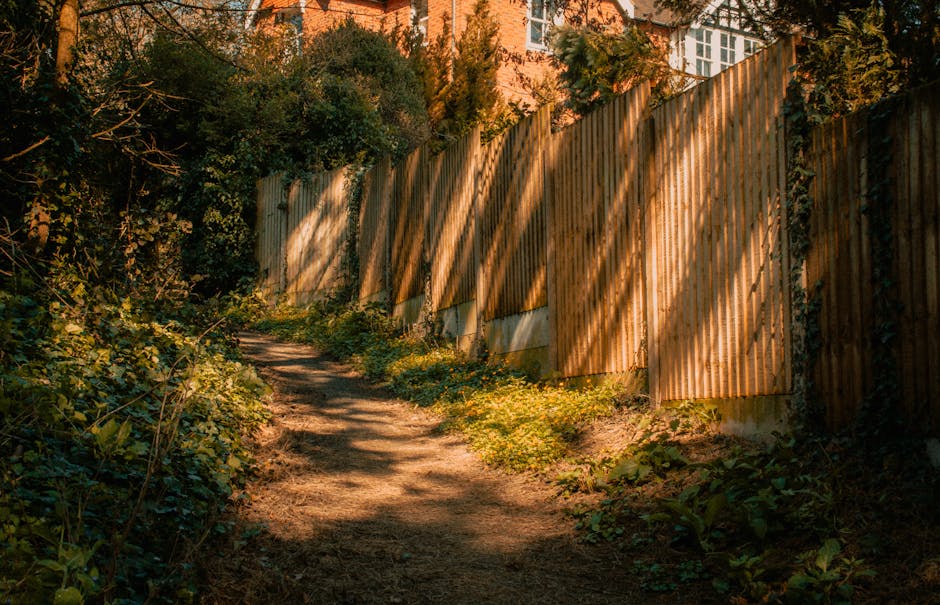
If you live or work around the tighter lanes in Crouch End, you already know the story: a job that looks straightforward from the street can become a bit of a logistical puzzle once tools, waste bags, wheelbarrows and people actually need to move through the property. Common access problems for Crouch End gardeners on lanes are not just an inconvenience. They affect safety, timing, costs, and whether a garden job can be completed neatly at all.
That might mean a narrow side passage, a shared alley, a steep step down into a rear garden, or nowhere sensible to park without causing a kerfuffle. In practice, access is often the difference between a smooth half-day visit and a job that needs extra planning. This guide breaks down the real issues, how experienced gardeners handle them, and what you can do to make work easier before anyone even lifts a spade.
To be fair, access problems are one of those things people only notice when something goes wrong. A mower cannot fit through the gate. A hedge trim creates piles of waste that have to be carried the long way round. A tree surgeon needs a safe route for branches and chipper access. Once you understand the pressure points, though, the whole thing becomes much more manageable.
Expert summary: on narrow lanes, the best gardening jobs are rarely the ones with the fanciest equipment. They are the ones where access, parking, waste removal and communication have been thought through before the team arrives.
Why Common access problems for Crouch End gardeners on lanes Matters
Access is not a side issue. It shapes almost every part of a garden visit, from arrival to clean-up. On narrow lanes, small complications stack up quickly. A path that seems only slightly tight can become a bottleneck once sacks, secateurs, ladders, mowers and hedge trimmers are in play. One missed detail and the whole schedule starts to slip.
In Crouch End, lanes and rear accesses can vary a lot from property to property. Some have practical side routes but poor lighting. Some have strong gates but awkward turning space. Others have shared access with neighbours, which is fine until bins, bikes or delivery items are left in the way. And yes, people do sometimes forget about the compost heap blocking the only sensible route. Happens all the time.
This matters because garden work is physical work. Crews need safe footing, enough room to carry materials, and somewhere sensible to load green waste. If access is poor, the risk of damage rises too: scratched paintwork, broken paving, dents to bins or fences, or plants being trodden on during a rushed carry. The job still gets done, but it tends to cost more effort.
It also affects the quality of the finish. When access is awkward, the team may spend more time moving equipment than working on the garden itself. That can reduce the time available for detail work like lawn edging, hedge shaping or tidy waste removal. Planning access well helps preserve the standard of the final result, which is what most people actually want.
If you are comparing services, it is worth looking at the broader service picture too. A provider that offers general gardening services, garden maintenance and garden clearance is usually better placed to adapt when access is awkward, because the work can be planned around movement, waste handling and time on site.
How Common access problems for Crouch End gardeners on lanes Works
When gardeners assess access, they are really mapping the route from the street to the working area. That sounds simple, but it includes more than just "can we get in?" The key question is whether people, tools, and waste can move through the space without damage or delay.
Usually the assessment looks at five things:
- Entry width - gates, side passages, alleyways, and any pinch points.
- Ground conditions - steps, slopes, wet surfaces, loose gravel, mud, uneven slabs, or slippery decking.
- Parking and unloading - where the vehicle can stop, how far equipment must be carried, and whether there is space to unload safely.
- Waste movement - whether cuttings, soil, branches, or clearance waste can be taken out without multiple long trips.
- Neighbour and shared-space considerations - narrow shared lanes, bin storage, private rights of way, and accidental obstructions.
In a perfect world, the team would walk straight in, set up, and get on with it. Real life is messier. A wheelbarrow may not fit. A mower may have to be carried through by hand. For tree-related work, branches often need to be broken down in sections before removal. That is normal, but it changes the pace of the job.
Good planning tends to start before the visit. A homeowner might send photos of the lane, gate latch, side return, or rear access. Sometimes a quick video is even better because it shows how tight the corners are and whether there are steps hidden out of frame. Honestly, a few clear photos can save a lot of back-and-forth later.
Access also affects which type of work makes sense on the day. For example, a tight rear garden may be fine for light pruning or hand weeding, but less suitable for heavy soil removal, turf lifting, or large-scale landscaping. That does not mean the job cannot be done. It just means the method needs to match the site.
Key Benefits and Practical Advantages
When access is thought through properly, the benefits are immediate. The most obvious one is fewer delays. But there is a longer list, and most of it comes down to reducing friction for everyone involved.
- Safer working conditions for both the gardening team and the household.
- Less chance of damage to walls, gates, paving, planted borders, and parked vehicles.
- Cleaner work, because waste can be carried out in an organised way rather than dragged through tight spots.
- More realistic scheduling, especially where jobs need extra carrying time or careful sequencing.
- Better value, because the plan matches the site instead of fighting it.
- Less stress for the customer, which, let's face it, is not a small thing.
There is also a quality benefit that people sometimes overlook. If access is good enough for the team to move naturally, they can focus more on the actual gardening: pruning cleanly, mowing properly, shaping hedges, and leaving the area tidy. That is where the result starts to look finished rather than merely completed.
For jobs involving lawns, patios, slopes or heavy clean-up, access planning matters even more. It can help determine whether specialist attention such as lawn care, lawn mowing, patio cleaning, or even landscaping can be completed efficiently in one visit or needs a phased approach.
Who This Is For and When It Makes Sense
This topic is most relevant if your property is reached by a lane, side passage, rear alley, shared access route, or another space that is not a standard front-drive setup. It is also relevant if you manage a property where the access is technically possible, but tight enough that a little planning would make life easier.
You will want to pay attention to access if you are:
- bookiing regular maintenance for a small or enclosed garden;
- planning hedge work, clearance, or pruning that produces a lot of waste;
- thinking about fencing, deck repairs, or garden upgrades;
- trying to restore an overgrown garden with awkward entry points;
- coordinating work around neighbours or shared rights of way;
- booking after renovation work, when paths are often half-blocked by materials.
It makes sense for landlords, managing agents, homeowners, and anyone preparing a garden for sale or tenancy changes. It is also useful if the garden is elderly-access sensitive, because a safer, clearer route can reduce trip hazards and make future upkeep easier.
Sometimes the biggest clue is not the size of the garden but the way it is reached. A tiny courtyard with a broad gate may be easier to maintain than a larger rear garden reachable only through a cramped passage with a sharp turn. So the site itself tells the story. You just have to look at the route, not only the destination.
Step-by-Step Guidance
Here is a practical way to handle access planning without overcomplicating it.
1. Walk the route before the job
Start at the vehicle drop-off point and walk the full route to the garden. Look for narrow gates, locked side passages, low branches, steps, uneven slabs, and places where a wheelbarrow would snag. If you cannot picture moving a full bag of cuttings through that route, the gardener probably cannot either.
2. Measure the tight spots
You do not need engineering-level precision. Rough measurements of gate width, path width, and any turns are usually enough. Even a simple note like "gate is tight, needs lifting at one corner" can be useful. It helps the team decide whether tools can pass through assembled or whether they need to be carried in sections.
3. Share photos or a short video
Send images of the gate, the lane entrance, the path, and the garden entrance. Include anything unusual: a step down, a steep slope, a locking mechanism, a narrow corner, or a shared bin area. The more honest the better. There is no prize for pretending the passage is wider than it is.
4. Clear temporary obstacles
Move bins, bikes, plant pots, garden furniture, and deliveries out of the access route. If neighbours share the lane, check whether anything is likely to be left there on the day. It is a small action that can save a surprising amount of time.
5. Decide where waste will be staged
For larger jobs, think about where waste bags, branches, and cuttings can be collected before removal. A sensible staging point reduces repeated trips through the narrowest part of the route. That matters more than people think.
6. Confirm parking and arrival details
Be clear about where the vehicle can stop, whether there are restrictions, and how long unloading will take. If the access route is long, tell the gardener so they can allow extra time and bring the right equipment.
7. Match the task to the route
Some jobs need adjustment. Manual carry-in may be fine for small maintenance visits. For clearance or tree work, the plan may need more labour, smaller loads, or different tools. The right method is usually the one that protects the site and keeps the work steady.
Expert Tips for Better Results
In our experience, a few simple habits make awkward access much easier to live with.
First, label the access point clearly. If there are multiple gates or side entrances, make it obvious which one should be used. A note left by the correct gate sounds basic, but it prevents that slightly awkward "is this the one?" moment.
Second, think in terms of carrying distance. A route that looks short can feel endless when you are carrying hedge cuttings or compost bags. The shorter the carry, the smoother the job. If there is an option to move waste closer to the exit before collection, use it.
Third, keep the lane clean and visible. Wet leaves, loose gravel, and poor lighting can turn a simple route into a slip hazard. A quick sweep or light tidy before the team arrives helps more than you might expect. Dawn or late afternoon work is especially sensitive to this.
Fourth, communicate the awkward bits early. If the gate sticks, say so. If the step is uneven, mention it. If the neighbour's gate swings out into the route, flag that too. Nobody likes surprises on site, especially not the kind that involve a wheelbarrow tipping sideways. Not fun.
Fifth, consider phased work for larger projects. For example, if a garden needs both clearance and reshaping, it may be easier to complete the access-heavy clearance first, then return for finishing work once the route is freer. This is often a better outcome than forcing everything into one long, tiring visit.
And one more thing: ask whether the team has experience with tight urban access. That does not mean they need a fancy badge. It just means they should be comfortable thinking practically, adjusting on the fly, and protecting the property while they work.
Common Mistakes to Avoid
Most access problems are manageable. The real trouble starts when assumptions creep in.
- Assuming the team will "just manage". Sometimes they can. Sometimes they cannot. That distinction matters.
- Leaving lane clutter until the last minute. Wheelie bins, recycling, bikes, and stored items often block the best route.
- Forgetting about waste removal. A job may be easy to start but awkward to finish if nothing can be taken back out cleanly.
- Ignoring steep or slippery sections. Slopes, wet moss and algae can turn routine movement into a safety issue.
- Not checking shared access rules. Shared lanes can be fine, but they can also create disagreements if someone is not informed.
- Booking the wrong scale of service. A light maintenance visit is not the same as a heavy clearance job, especially on a tight site.
Another common slip is not accounting for the weather. A lane that is fine in dry weather can become awkward after rain. You may not need a full contingency plan, but it is sensible to expect a bit more caution on damp ground. British gardens, eh? They have a way of keeping everyone humble.
Tools, Resources and Recommendations
The most useful resources for this topic are often the simplest ones: a tape measure, phone camera, notepad, and a bit of common sense. You do not need a specialist app or technical drawing unless the site is especially complex.
From a practical gardening point of view, these items are often helpful on narrow-access sites:
- Compact hand tools for smaller jobs where bulky machinery is awkward.
- Sturdy wheelbarrows or carrying tubs for moving waste in smaller loads.
- Tarps or sacks to keep cuttings contained and easier to move.
- Good gloves and stable footwear for grip on uneven or damp surfaces.
- Head torches or portable lighting for darker lanes or early finishes.
- Protective boards or careful padding where there is a risk of marking paths or walls.
For homeowners, the best "resource" is really preparation. A quick photo set before the visit, a clear note about any shared gates, and a realistic expectation of carrying time all help. If the work is part of a bigger garden plan, it may be worth looking at broader services such as hedge trimming, fencing, or decking services, because access planning is even more important when materials and tradespeople are moving in and out repeatedly.
Law, Compliance, Standards, or Best Practice
For garden work on narrow lanes, the main compliance concerns are usually safety, access rights, and avoiding damage or nuisance. The exact legal position can vary depending on whether the lane is private, shared, or part of a managed property, so it is wise to be careful rather than casual.
In broad terms, best practice includes:
- keeping routes clear enough to work safely;
- not blocking shared access without agreement;
- using equipment in a way that does not create avoidable hazards;
- protecting people and property while moving tools or waste;
- checking any site-specific instructions before work begins.
From a professional point of view, a good provider should also have appropriate insurance and a sensible health-and-safety approach. If access is tight, risk management matters more, not less. That may include a pre-visit check, clearer client communication, and adapting the task when needed. You can explore the company's own approach through its health and safety policy and insurance and safety information.
It is also fair to expect clear terms, transparent pricing, and respectful handling of your details and payments. Those are not access issues directly, but they are part of a trustworthy service. If you want to understand the wider business standards, the pages on pricing and quotes, payment and security, and terms and conditions are worth reviewing.
Options, Methods, or Comparison Table
Different access strategies suit different gardens. There is no single perfect method, and that is part of the point. Here is a simple comparison.
| Approach | Best for | Pros | Trade-offs |
|---|---|---|---|
| Manual carry-in with hand tools | Small maintenance jobs, weeding, light pruning | Flexible, quiet, low setup | Slower for larger waste volumes |
| Compact equipment only | Regular mowing or lighter upkeep on tight sites | Efficient without heavy logistics | Not suitable for every task |
| Phased visits | Clearance, overgrown gardens, mixed projects | Reduces congestion and fatigue | May take longer overall |
| Pre-cleared access route | Shared lanes, cluttered side passages | Improves safety and speed | Needs homeowner coordination |
| Full project planning | Landscaping, fencing, tree or large clearance work | Best control over time and materials | Requires the most preparation |
For many Crouch End lane properties, the best answer is a mix of these. A maintenance visit might use compact tools and manual carrying, while a one-off clearance job could benefit from phased work and a clearer waste route. There is no shame in keeping things simple. In fact, simple often wins.
Case Study or Real-World Example
Here is a realistic example based on the kind of access issue that comes up again and again.
A small rear garden off a narrow lane needed a tidy-up after several months of growth. The gate was only just wide enough for a wheelbarrow, the path turned sharply after the entrance, and storage bins sat halfway along the only sensible route. On paper, the job sounded like a half-day maintenance visit. In practice, the access made movement the main challenge.
The solution was straightforward but careful. The homeowner cleared the bins the evening before. The gardener arrived with compact hand tools rather than heavier kit. Waste was gathered in smaller loads and staged near the gate before removal. The job still took longer than an easy-access garden would have, but there was no damage, no rushed cutting, and the final result looked tidy rather than squeezed in.
What made the difference? Not luck. Just planning. The client gave a few photos ahead of time, the route was kept clear, and the scope of work was realistic. That is really the pattern you see most often on lanes: better access planning means less friction and a cleaner finish.
Practical Checklist
Use this checklist before any gardening work on a tight lane or awkward access site:
- Have I walked the full access route from the vehicle to the garden?
- Are the gate width, path width, and turns suitable for the work planned?
- Have I sent photos or a video of the route to the gardener?
- Are bins, bikes, plant pots, and deliveries out of the way?
- Is the route safe when wet, dark, or slippery?
- Have shared access points been agreed with neighbours or property managers?
- Is there a clear waste staging area?
- Do I know where the vehicle can stop safely?
- Does the planned service match the access constraints?
- Have I checked any special instructions, locks, or site rules?
If you can tick most of those off, you are usually in good shape. If not, do a little more prep. It pays off.
Get a free quote today and see how much you can save.
Conclusion
Common access problems for Crouch End gardeners on lanes are rarely dramatic on their own. It is the combination of narrow routes, awkward turns, limited parking, shared spaces, and waste movement that creates the real challenge. Once those parts are understood, though, the job becomes much easier to plan and much safer to carry out.
The best results usually come from simple, honest preparation: clear photos, realistic expectations, and a gardening team that knows how to work neatly in tight spaces. That applies whether you need routine care, clearance, hedge work, or a more involved garden refresh. If you want a provider with a broader service background, it can also help to review their wider about us information and their approach to recycling and sustainability, especially when waste handling is part of the plan.
Truth be told, a good access plan makes the whole experience calmer. Less faff, fewer surprises, better results. And that is usually what everyone wants in the end.
Frequently Asked Questions
What are the most common access problems for gardeners on lanes?
The usual issues are narrow gates, tight side passages, steps, uneven ground, shared access, poor lighting, and limited parking or unloading space. Waste removal can also be a challenge if the route back to the street is awkward.
How do I know if my lane is too narrow for gardening work?
A lane is usually workable if people and tools can move through safely, even if they need to be carried in smaller sections. If a wheelbarrow cannot pass, that does not automatically stop the job, but it does mean the method needs adjusting.
Should I send photos before the gardener visits?
Yes, absolutely. A few clear photos or a short video can help a gardener judge gate width, turning space, steps, and any clutter. It avoids guesswork and makes quotes and planning much more accurate.
Does awkward access make garden jobs more expensive?
It can, because the work may take longer or require more carrying, more labour, or a different approach. Not every job costs more, but difficult access often changes the time and effort involved.
Can regular maintenance still work on a narrow lane property?
Usually yes. Light maintenance, weeding, mowing, trimming and tidy-ups are often very manageable on tight sites, especially if access is clear and the route is safe.
What should I clear before a gardener arrives?
Move bins, bikes, garden furniture, plant pots, and any delivery items out of the access route. If the lane is shared, check that neighbours will not leave temporary clutter in the way.
Is shared access a problem for gardeners?
Not necessarily. Shared access can work well, but everyone needs to be aware of the visit. The main issue is unexpected blockage or a route being used by someone else at the same time.
How do gardeners usually handle waste on tight sites?
They often use smaller loads, stage waste near the exit, and plan the route so cuttings or branches can be removed without repeated awkward trips. For bigger jobs, phased removal may be the smarter option.
Do I need special permission for a private lane?
Sometimes, depending on ownership, shared use, and any site rules. If you are unsure, check with the relevant property manager, neighbour, or freeholder before booking work that may affect access.
What type of gardening service is best for awkward access?
It depends on the task. For light upkeep, regular maintenance may be ideal. For overgrown plots, garden clearance may be more suitable. For larger changes, landscaping or fencing work can still be done, but only with good planning.
How can I make a quote more accurate for a lane property?
Give as much access detail as possible: gate widths, steps, parking limits, shared routes, and photos of the entry path. That helps the gardener estimate time and labour more realistically.
What if access changes on the day of the job?
Tell the team straight away. A parked car, blocked gate, or unexpected delivery can usually be worked around if everyone knows quickly. Leaving it until later tends to create avoidable hassle.
Can access problems affect tree or hedge work more than other jobs?
Yes, because tree and hedge work often involves longer tools, more waste, and a greater need for safe movement. Services like hedge trimming, tree surgery, or tree lopping and removal may need more careful planning on tight lanes.
Where should I start if I am not sure about my access setup?
Start with the route, not the garden itself. Walk from the street to the work area, note the pinch points, and gather a few photos. That usually gives enough information to decide what can be done safely and sensibly.