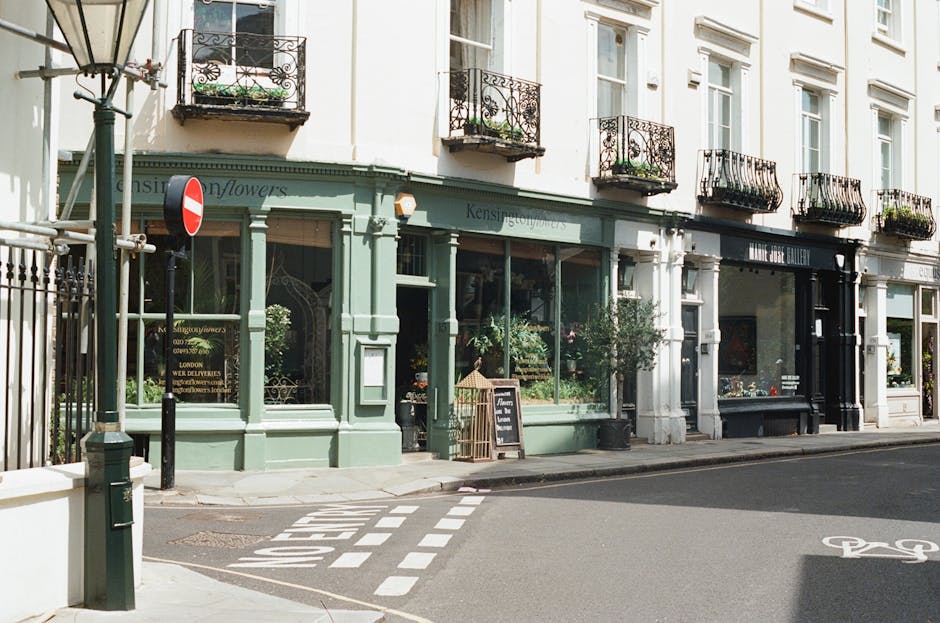
Stroud Green Road commercial gardeners for local shops and pubs
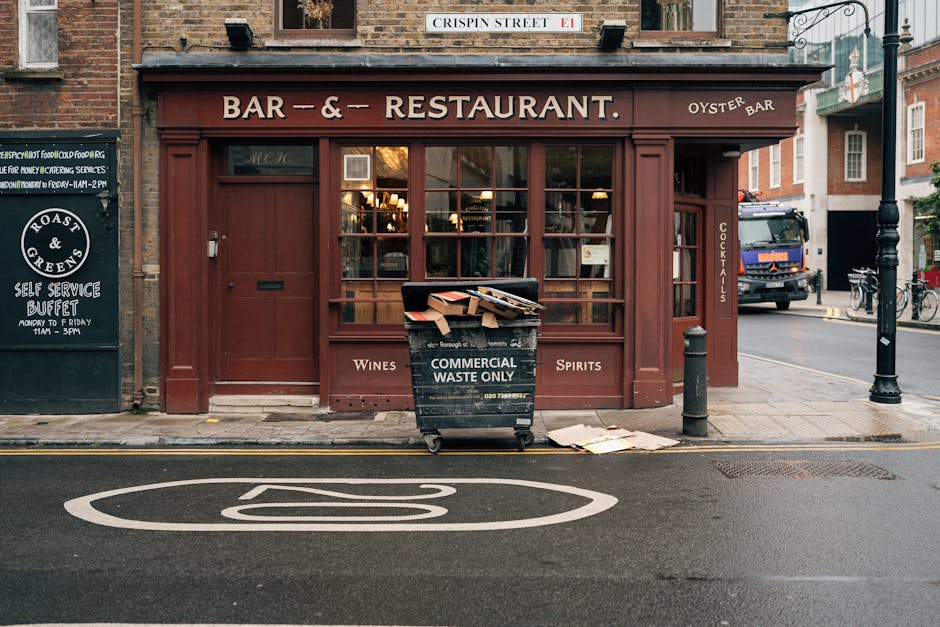
If you run a shop, cafe, bar, or pub on or near Stroud Green Road, the outside of your premises is doing more work than people often realise. A neat planter, a swept patio, a trimmed hedge, or a well-kept frontage can change how customers feel before they even step through the door. That is exactly where Stroud Green Road commercial gardeners for local shops and pubs come in: practical, regular outdoor care that keeps the place looking open, cared for, and ready for trade.
It is not just about making things pretty. Commercial gardening for busy hospitality and retail sites is about safety, presentation, access, and time-saving. The job needs to suit footfall, weather, waste collection days, delivery hours, and the simple reality that a pub garden on a Friday evening is a different beast from a quiet residential border. In other words, this is local maintenance with commercial discipline. And yes, it matters more than many owners expect.
Below, we break down what the service actually includes, how to choose the right approach, what to avoid, and how to get the best value without overcomplicating the whole thing.
- Why it matters
- How it works
- Key benefits and practical advantages
- Who needs this and when it makes sense
- Step-by-step guidance
- Expert tips for better results
- Common mistakes to avoid
- Tools, resources and recommendations
- Law, compliance, standards, or best practice
- Options, methods, or comparison table
- Case study or real-world example
- Practical checklist
- Conclusion
- Frequently asked questions
Why Stroud Green Road commercial gardeners for local shops and pubs Matters
For local businesses, the exterior space is part of the customer experience, even when nobody consciously thinks about it. A tidy pub forecourt, a healthy planter display, or a weed-free shop entrance gives the impression that the business is organised, attentive, and worth visiting. That first impression is a small thing, but it lands fast. People notice the cracked containers, the overgrown edge, the dusty paving. They notice the good stuff too.
On a busy stretch like Stroud Green Road, outdoor areas also have to work harder. There is more foot traffic, more litter, more wear on paving, and more pressure to keep entrances clear. In a hospitality setting, a few dropped leaves or a slippery patch from algae can turn into an awkward moment very quickly. For shops, it can mean a frontage that feels tired, which is never ideal when you want people to walk in rather than walk past.
There is also a branding angle. A compact planting scheme, a sensible hedge line, or even a simple set of containers can soften hard edges and make a business feel more welcoming. For pubs especially, outdoor seating and visible planting can help create atmosphere. Not fancy, just well judged. Truth be told, that is usually what customers respond to most.
For wider context on maintenance and presentation, many businesses find it useful to pair commercial garden care with broader upkeep such as regular garden maintenance and targeted seasonal tasks. If the frontage includes paving or customer spill zones, patio cleaning can also make a visible difference very quickly.
How Stroud Green Road commercial gardeners for local shops and pubs Works
Commercial gardening for shops and pubs is usually built around repeat visits rather than one-off tidy-ups. The routine depends on the site, but it often starts with a walk-through, a clear list of priorities, and a maintenance schedule that matches the business's opening hours and seasonal needs.
A typical service might include pruning, weeding, hedge trimming, mowing small lawns, container refreshes, leaf clearance, pressure-free surface sweeping, plant replacement, and light waste removal. For some premises it is mostly frontage care. For others, there may be a courtyard, a rear smoking area, a beer garden, or a small service yard that also needs attention. Different surfaces, different jobs, same goal: keep the place usable and presentable.
The process usually works best when the gardener understands where people walk, where bins are collected, where deliveries arrive, and which areas need to remain accessible at all times. That sounds obvious, but it is where commercial work differs from domestic gardening. You do not want someone turning up on a Saturday lunchtime and blocking the entrance with clippings. It happens. More than it should.
Some sites only need light-touch visits every couple of weeks. Others benefit from weekly checks during the growing season and a more spaced-out schedule in winter. Good commercial gardeners will usually recommend a rhythm rather than a fixed package, because the best plan is the one that fits actual use.
What the work often includes
- Weeding beds, borders, and paved edges
- Pruning shrubs, climbers, and small hedges
- Mowing and edging compact lawn areas
- Refreshing containers and seasonal displays
- Clearing leaves, debris, and unsightly build-up
- Managing ivy, overgrowth, and neglected corners
- Keeping entrances tidy and customer-facing areas safe
Where suitable, local teams may also advise on plant choice and layout. For example, if a pub frontage gets little direct sunlight, shade-tolerant planting can save a lot of disappointment later. If you are curious about that side of things, the ideas in shade-loving climbers and evergreen planting can be helpful, especially where you want year-round structure.
Key Benefits and Practical Advantages
The big benefit is consistency. A lot of business owners can cope with a quick tidy once in a while. The problem is the quiet drift into patchy, untidy, not-quite-right. Commercial gardeners stop that drift. They keep things in shape before it becomes a visible issue.
There are also practical gains that go beyond appearance:
- Better customer perception: a cared-for exterior helps people trust the business inside.
- Less staff distraction: front-of-house teams and managers can focus on trade, not hedge clippings.
- Reduced slip and trip risk: regular clearance helps with leaves, moss, and overgrowth near paths.
- Seasonal resilience: plants are less likely to collapse, scorch, or become scruffy between visits.
- Stronger curb appeal: helpful for both repeat trade and spontaneous walk-ins.
There is a quieter advantage too: regular attention makes the space feel less like a forgotten leftover and more like part of the business. That matters for pubs with outdoor seating, and it matters for shops with small front gardens or display planters. A few square metres can still say a lot.
If you are trying to keep costs sensible, a low-maintenance design is often the smartest path. Articles like the frugal gardener's guide to low-maintenance planting can help shape that thinking, especially if you are starting from scratch or rebuilding tired beds.
| Business need | What gardeners usually do | Why it helps |
|---|---|---|
| Shop frontage | Weeding, planting refresh, edging, container care | Keeps the entrance smart and welcoming |
| Pub garden | Hedge trimming, path clearance, seasonal tidy-up | Supports atmosphere and customer comfort |
| Courtyard or rear yard | Leaf removal, pruning, surface cleaning, waste clearing | Improves safety and day-to-day usability |
| Container displays | Watering checks, deadheading, replacement planting | Maintains colour without heavy redesign |
Who This Is For and When It Makes Sense
This service is ideal for businesses that want their exterior to look cared for without turning staff into part-time gardeners. That includes independent shops, cafes, bakeries, pubs, restaurants with outdoor seating, and mixed-use premises where the frontage doubles as a customer-facing space.
It makes particular sense if any of the following sound familiar:
- The frontage looks fine in spring but gets messy fast in summer.
- Staff keep doing emergency tidy-ups before opening.
- Weeds appear between paving slabs or along kerbs every few weeks.
- Hedges or climbers are starting to obstruct windows or signage.
- The outside space is part of the brand, but nobody has time to manage it well.
It is also relevant if your site has a small garden area that needs a lighter touch than a full landscaping project. Sometimes, people assume they need a complete redesign when really they need steady upkeep, a better planting plan, and a sensible seasonal schedule. A bit like tidying your kitchen rather than knocking the wall down. Much cheaper too.
Businesses with children's seating, dog-friendly corners, or evening trade may have extra needs. In those cases, tidy boundaries, durable plants, and clear circulation routes matter even more. If safety and usability are priorities, it is worth considering supporting pages like health and safety guidance and insurance and safety information as part of your procurement review.
Step-by-Step Guidance
If you are booking commercial gardening for a local shop or pub, the best results usually come from a simple, structured approach. Nothing flashy. Just clear thinking and a few sensible decisions made early.
- Walk the site at customer-eye level. Stand where passers-by first see the property. What looks tired, overgrown, cluttered, or unfinished?
- Separate must-do tasks from nice-to-have jobs. The entrance, paths, and seating zones matter most. Decorative extras can come later.
- Decide how often the space needs attention. Weekly, fortnightly, or seasonal? The answer depends on growth rate, footfall, and weather exposure.
- Agree on access and timing. Early mornings or quieter hours can help avoid disruption, especially for pubs and busy shops.
- Plan the waste route. Green waste, prunings, and old planting material need to be removed without creating a mess on-site.
- Choose plants for the site, not for a catalogue photo. Shade, wind, salt, drought, and reflected heat all change what will thrive.
- Review after the first few visits. If one area keeps failing, change the approach rather than forcing the same fix again and again.
One small but useful habit: take photos before and after each service for the first month or two. Not for vanity. For clarity. It helps spot which parts of the site deteriorate fastest and where the schedule needs tightening.
For businesses dealing with stubborn growth or neglected corners, these guides can help shape the brief before you speak to a gardener: permanent ivy eradication techniques, weed-free gardening tips, and hedge trimming strategies.
Expert Tips for Better Results
Here is where a bit of experience saves a lot of fuss later.
First, think in layers. A good frontage usually has a base layer, a structure layer, and a seasonal layer. The base might be evergreen planting or clean paving. The structure could be hedging, rails, or containers. The seasonal layer adds colour without forcing you into constant replanting.
Second, use containers where flexibility matters. Pubs and shops often need displays that can move for events, repairs, or changing layouts. Containers are ideal for that, and they do not need to be expensive to look good. The right shapes and sizes matter more than fancy brands. For inspiration, see container gardening techniques and outdoor seating design ideas.
Third, avoid overly needy planting. A business frontage should not become a full-time hobby. Choose plants that tolerate missed watering, pruning windows, and seasonal stress. If you need something really robust, ground cover can be a quiet hero, especially in awkward spots. Ground cover plants can reduce weeding and soften hard edges without asking for much back.
Fourth, take weather seriously. Stroud Green can see its share of wind, rain, and the occasional sharp cold snap. A pub garden that looks lovely in July can look fairly beaten-up by November if the planting and maintenance plan are too optimistic. There is no shame in choosing tougher plants and simpler layouts. Actually, that is usually the smarter move.
Fifth, keep the maintenance loop short. If a task takes ten minutes now, do not let it become a two-hour rescue later. Regular deadheading, leaf clearance, and edge trimming are boring in the moment and excellent in hindsight. Which is, to be fair, how good maintenance often works.
Common Mistakes to Avoid
A lot of commercial exterior problems are not caused by neglect alone. They are caused by the wrong kind of attention: one-off fixes, poor plant choices, or maintenance that looks good for a week and fails for the rest of the month.
- Choosing showy plants that are too delicate for the site. Pretty is fine. Fragile is not.
- Ignoring drainage and standing water. Puddles bring algae, moss, and muddy edges.
- Letting ivy or climbers get established unchecked. They can become a bigger job than expected.
- Using the same schedule all year. Summer and winter need different levels of care.
- Forgetting the customer journey. If a plant blocks a sign or a bin route, the design is working against you.
- Overfilling containers. Cramped displays dry out and fail quickly.
There is also a communication mistake that crops up often: businesses ask for "tidying" without saying what tidy means to them. One manager may mean swept paving and clipped edges; another may mean full seasonal refresh, dead plant removal, and a change in layout. It is worth being specific. Very worth it.
For neglected or overrun spaces, a reset can help. The ideas in garden renewal are useful if your frontage has drifted into the "we'll sort it later" category. Later has a habit of arriving with weeds.
Tools, Resources and Recommendations
You do not need a shed full of specialist kit to maintain a commercial frontage well, but the right tools make the work safer, quicker, and neater. Professionals typically rely on sharp, reliable hand tools, powered trimming equipment where suitable, secure waste bags or bins, and cleaning tools that leave paths and edges presentable rather than half-finished.
For business owners planning in-house checks between visits, a small set of basics is usually enough:
- Hand trowel and weeding tool
- Bypass secateurs for light pruning
- Long-handled broom for paths and steps
- Watering can or hose access for containers
- Mulch or decorative top dressing
- Plant labels if you manage seasonal displays
Some sites also benefit from simple vertical features where floor space is limited. If you have a narrow entrance or wall area, vertical gardening ideas can make a small footprint feel much richer. That said, vertical displays need checking a bit more often, especially in windy or high-traffic spots.
Business owners with sustainability goals may also want a composting or green-waste approach, where practical. Turning suitable organic waste into mulch or soil improvement material can reduce waste and improve beds over time. The basic thinking behind organic waste as a fertility booster is relevant here, though commercial sites still need tidy disposal arrangements and a realistic workflow.
If you are reviewing a provider, it is also sensible to look at about the team, pricing and quotes, and terms and conditions so you know how scheduling, payment, and responsibilities are handled. That bit is not glamorous, but it prevents headaches later. Usually.
Law, Compliance, Standards, or Best Practice
Commercial gardening for shops and pubs does not usually involve heavy regulation in the way some trades do, but there are still important best-practice considerations. If staff or contractors are working on site, basic health and safety awareness matters. Access routes should stay clear, tools should be handled responsibly, and any work near entrances or customer areas should be planned around footfall.
Where vegetation borders public walkways, the business should think carefully about visibility, trip hazards, and encroachment. Slippery leaves, loose gravel, broken pots, and trailing stems can all become hazards if left unmanaged. For hospitality sites, this is especially relevant near steps, lighting, and outdoor seating.
Noise and timing matter too. If trimming or blower work is being carried out, it is generally better to do it at quieter times. That is not a legal technicality so much as good neighbourly practice. It also helps avoid the "why is someone strimming at 8am?" feeling that nobody enjoys.
It is sensible to make sure any contractor follows the business's own safety expectations and has suitable insurance arrangements in place. If you want a clearer sense of how a provider approaches this, review health and safety policy details, insurance and safety information, and, if relevant, payment and security. For any formal concern process, complaints procedure and privacy policy are also worth checking. These pages do not replace legal advice, of course, but they do tell you how seriously a business treats the basics.
Options, Methods, or Comparison Table
Not every business needs the same kind of outdoor care. Some want a neat, recurring maintenance plan. Others want occasional support after a busy period, a refurb, or a burst of overgrowth. The right choice usually comes down to how visible the space is and how much time staff can realistically spare.
| Approach | Best for | Pros | Trade-off |
|---|---|---|---|
| Regular maintenance visits | Busy shops, pubs, and customer-facing sites | Consistent appearance, fewer surprises | Needs a recurring budget |
| Seasonal tidy-ups | Sites with modest planting and low footfall | Good value, flexible timing | Can look patchy between visits |
| One-off restoration | Neglected frontages or post-refit clean-ups | Fast visual improvement | Does not prevent future build-up |
| Design-led refresh | Businesses changing brand or layout | Better long-term usability | Higher upfront planning needed |
For many local businesses, a mixed approach works best: one initial reset, then scheduled maintenance. It is simpler, and frankly kinder to your budget than constant emergency fixes. If the site needs structural improvements as well, broader services such as landscaping, fencing, or decking services may also be part of the conversation.
Case Study or Real-World Example
Picture a small pub on a busy stretch of Stroud Green Road. The front seating area is visible from the pavement, the planter boxes are tired, and ivy has started to creep along one side wall. The bins are in the right place, but the space feels cluttered rather than inviting. On a rainy afternoon, the path is a little grimy too. Nothing dramatic. Just enough to make the place look more worn out than it really is.
A practical commercial gardening plan might start with a reset: clear debris, remove weeds, cut back the ivy, refresh the containers, and clean the hard surfaces. After that, the team could switch to a fortnightly rhythm through the growing season, with quick checks for deadheading, leaf build-up, and any plant stress. If the frontage gets strong afternoon sun, drought-tolerant planting would be sensible. If it sits in shade, evergreen structure becomes more important.
By the end of a few visits, the area does not need to look lavish. It just needs to look intentional. Customers see that immediately. Staff feel better about opening the doors. And the manager stops dashing out with a broom five minutes before lunch service. Which is always a small victory, really.
For business owners dealing with tough plant survival or awkward conditions, these related reads can help inform the plan: wind protection measures, severe weather protection, and winter frost protection.
Practical Checklist
Use this before booking or reviewing a commercial gardening plan for a local shop or pub.
- Have you identified the most visible customer-facing areas?
- Do you know which parts need weekly, fortnightly, or seasonal care?
- Are entrance routes, steps, and paths kept clear?
- Have you chosen planting that suits shade, wind, and footfall?
- Is there a clear plan for green waste and general tidy-up?
- Have you agreed what "tidy" actually means for your site?
- Do you need support with hedge trimming, lawn care, or patio cleaning?
- Have you checked safety, payment, and complaint procedures?
- Is the service designed to fit opening hours and deliveries?
- Will the arrangement still work in winter, not just in July?
If you can tick most of those off, you are in a good position. If not, no problem. That is exactly what a first conversation is for.
Get a free quote today and see how much you can save.
Conclusion
For local businesses, outdoor presentation is not decoration after the fact. It is part of the experience, part of the safety picture, and part of how people judge the business before they commit to stepping inside. Stroud Green Road commercial gardeners for local shops and pubs help keep that first impression sharp without creating more work for staff who already have enough on their plates.
The best results usually come from simple decisions: choose durable planting, keep a realistic schedule, stay on top of the obvious mess before it builds up, and think like a customer walking past with only a few seconds to spare. Do that well, and even a small frontage can feel lively, welcoming, and properly looked after. That is the sweet spot.
If your exterior has been nagging at you for a while, start with the simple version. One careful site review, one honest maintenance plan, and one team that understands commercial pace can make a bigger difference than you might expect. And once it is sorted, you will notice the calm. That quiet, satisfying kind of calm. Nice when it happens.
Frequently Asked Questions
What do Stroud Green Road commercial gardeners for local shops and pubs usually do?
They typically handle regular exterior upkeep such as weeding, pruning, hedge trimming, container care, leaf clearance, lawn edging, and tidy-ups around entrances, seating areas, and small courtyards.
How often should a shop or pub book commercial garden maintenance?
That depends on how visible the space is and how fast it grows. Busy customer-facing sites often benefit from weekly or fortnightly visits during the growing season, with lighter winter care.
Is commercial gardening different from domestic gardening?
Yes. Commercial work has to fit business hours, customer movement, delivery access, and presentation standards. It is usually more schedule-driven and more focused on safety and first impressions.
Can a small pub garden really make a difference to trade?
Absolutely. A neat and comfortable outdoor area can make a pub feel more welcoming, improve dwell time, and help the business look more established and cared for. Small spaces can punch above their weight.
What should I ask before hiring a gardener for my business frontage?
Ask what services are included, how often visits are recommended, how waste is removed, how access is managed, and whether the team has suitable insurance and safety practices in place.
What if my front area is mostly paving, not planting?
That is still worth maintaining. Patio cleaning, weed control, edging, and keeping planters in good shape can dramatically improve the appearance of a paved frontage.
Are low-maintenance plants better for commercial sites?
Usually, yes. Durable plants that handle shade, wind, and occasional dry spells are often a better fit than delicate varieties that need lots of attention.
Do commercial gardeners also deal with ivy or overgrown hedges?
They often do. Ivy removal, hedge trimming, and cutting back overgrowth are common jobs where a site has been left to build up for a while.
Can gardening help with customer safety?
Yes. Keeping paths clear, clearing leaves, controlling slippery growth, and maintaining visibility around steps and entrances can all support a safer customer environment.
What is the best time of year to improve a shop or pub frontage?
Spring is often the most obvious reset point, but autumn maintenance matters a lot too. The right time depends on your site's condition, plant mix, and customer seasonality.
Is a one-off tidy-up enough?
Sometimes it is a good start, especially after neglect or a refit. But most shops and pubs benefit from an ongoing plan, otherwise the same issues tend to creep back in.
How do I keep costs under control?
Keep the planting simple, prioritise the most visible areas, and use a maintenance schedule that fits the site rather than over-servicing it. A sensible plan nearly always costs less than repeated emergency fixes.