What to know when a Crouch End gardener cancels last minute
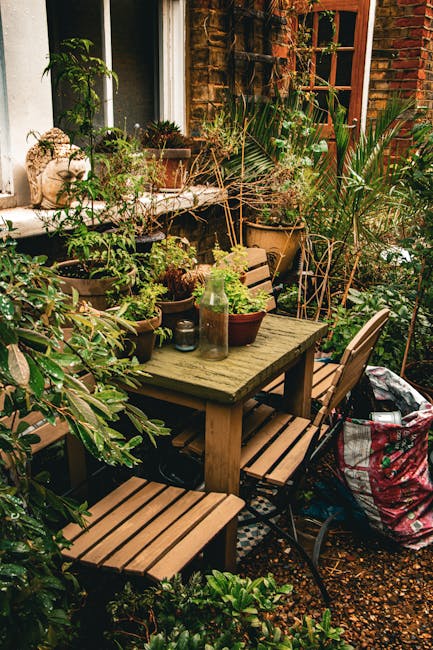
Few things are more irritating than getting ready for a garden visit and then hearing, with very little warning, that your gardener can't make it. If you've been left wondering what to know when a Crouch End gardener cancels last minute, you're not alone. It throws off the day, can leave jobs unfinished, and sometimes creates a bit of a domino effect - especially if you had plants waiting, neighbours expecting hedge work, or weather turning in your favour for once. The good news? A late cancellation doesn't have to become a bigger problem. If you know what to check, what to ask, and what your options are, you can stay in control and get the garden back on track quickly.
This guide walks through the practical side of last-minute cancellations in plain English: why they matter, how to respond, what to expect from a professional gardener, and how to avoid getting caught out again. We'll also cover a useful checklist, a simple comparison table, and a few things most people forget in the moment. Let's face it - when someone cancels on the day, your brain is usually on the mess, not the process. So we'll keep this grounded and useful.
Why what to know when a Crouch End gardener cancels last minute matters
A cancelled garden appointment is not just an inconvenience. In a busy local schedule, it can affect anything from lawn mowing and hedge trimming to a bigger tidy-up before guests arrive. If the job was weather-sensitive, the delay may also make it harder to reschedule quickly. Grass grows, weeds keep growing, and a hedge does not politely pause because someone has had to rearrange their day.
In Crouch End, where many gardens are compact, close to neighbours, or built around tight access, timing matters more than people sometimes realise. A missed visit can mean overgrown edges, blocked paths, or a small job turning into a much larger one by next week. That is why a calm, organised response is so useful.
It also matters for trust. A last-minute cancellation does not automatically mean bad service, of course. People fall ill, vans break down, and weather can be awkward. But if the pattern repeats, you'll want to rethink how you book and who you book with. A reliable service should communicate clearly, explain the delay, and help you reset the plan without making you chase for answers.
Expert takeaway: the cancellation itself is not the real problem. The real problem is what happens next - how quickly you get clear information, whether the job can be rebooked properly, and whether your garden can be protected from avoidable knock-on issues.
How what to know when a Crouch End gardener cancels last minute works
Most last-minute cancellations follow a fairly simple pattern. You expected an arrival window, then something changed, and you are left choosing between waiting, rescheduling, or finding an alternative. The detail, though, is what determines whether it becomes a small hiccup or a proper headache.
Typical reasons a gardener may cancel late
- Illness or a family emergency
- Vehicle problems or equipment failure
- Unsafe weather conditions
- Running over on a previous job
- Miscommunication about the appointment time or access
To be fair, a decent gardener should tell you which of those is the issue rather than leaving things vague. "Something came up" is not enough when you've organised your whole morning around the visit.
What a good cancellation response looks like
A good response is usually quick, specific, and practical. You should receive:
- a clear explanation, if appropriate;
- an apology;
- an updated timescale or next available slot;
- any relevant note about quoted work or materials;
- and, ideally, a suggestion for prioritising urgent tasks.
If the job is part of a wider package, such as garden maintenance or lawn care, a reschedule should also consider seasonality. A missed mow before rain is different from a missed tidy-up in late autumn, and the best approach changes with the weather. That sort of practical thinking is usually a good sign.
What you should confirm straight away
If you are speaking to the gardener by phone or message, confirm:
- Whether the appointment is cancelled or only delayed.
- Whether there is a same-week alternative.
- Whether any deposit, quote, or material order is affected.
- Whether the job should be shortened, split, or rebooked in full.
- Whether you need to do anything with pets, access gates, or tools already left out.
That last one gets forgotten quite a lot. People assume the admin is the only issue, then realise the side gate is open, the wheelbarrow is outside, and it's now raining. Bit annoying, really.
Key benefits and practical advantages
Handling a cancellation well can save you time, money, and some needless back-and-forth. It also gives you more control over the job. Strange as it sounds, a cancelled visit can be a chance to reset the gardening plan properly.
- You protect the rest of the schedule. If you move fast, you can still fit in mowing, hedge work, or clearance at a workable time.
- You spot weak communication early. A last-minute cancellation can reveal whether the service is truly organised.
- You reduce garden damage. Delaying the wrong task too long can let weeds spread, plants dry out, or overgrowth block light.
- You can reprioritise smarter. Not all jobs are equal. Some can wait; others should be handled quickly.
- You improve future bookings. Once you know what questions to ask, you book with more confidence next time.
A particularly useful advantage is being able to separate urgent work from non-urgent work. If the original visit was meant for hedge trimming, for example, and the growth is already near a boundary, that job should jump the queue. If it was mainly a decorative tidy-up, you may have a bit more breathing room. This is where practical judgement matters more than panic.
And, honestly, the calmer you are, the better the outcome tends to be. People make better decisions when they're not trying to sort three things at once while staring at a patchy lawn.
Who this is for and when it makes sense
This advice is for anyone who uses a local gardener in Crouch End and wants to handle the occasional cancellation without drama. That includes homeowners, landlords, tenants with gardening responsibilities, and busy families who need outdoor jobs done at specific times.
It particularly makes sense if you rely on regular upkeep, such as:
- lawn mowing before the weekend;
- hedge work before nesting season becomes a concern;
- patio cleaning before guests arrive;
- or garden clearance after storms and windy weather.
If you are juggling multiple outdoor projects, a cancellation can ripple across the whole garden. A postponed cut might affect access for other work, and a delayed clearance might slow down landscaping plans. In those situations, a local service such as gardening services or landscaping is often about continuity as much as one-off tasks.
It also makes sense if you are new to booking help and are not quite sure what to expect. There's no shame in that. In fact, many people only learn the etiquette after the first cancellation. That's normal. The main thing is to use the experience well.
Step-by-step guidance
If your gardener cancels at the last minute, do this in order. Not every step will apply every time, but this sequence keeps things tidy.
- Confirm the cancellation clearly. Make sure you know whether the visit is cancelled, delayed, or shortened.
- Ask for the soonest realistic replacement slot. "Soon" is vague; ask for a day and time window.
- Check what work was urgent. Decide whether the delay affects safety, access, or plant health.
- Protect the garden if needed. Bring in tools, close gates, water sensitive plants, or cover anything vulnerable.
- Adjust any linked plans. If you were expecting hedge cutting, clearing, or waste removal, update the rest of the sequence.
- Keep a written record. A simple message thread is enough. It helps if there's any confusion later.
- Decide whether to wait or switch provider. One cancellation is manageable. Repeat problems need a firmer response.
If you want to be proactive rather than reactive, pair this with a broader maintenance plan. For example, people using lawn mowing often benefit from booking the next visit as soon as the current one is confirmed, especially during peak growing periods. It sounds basic, but it works.
Simple rule: if the job is important enough to rearrange your day, it is important enough to get a clear new date before the conversation ends.
Expert tips for better results
After dealing with enough garden scheduling mishaps, a few patterns become obvious. The people who handle cancellations best tend to do three things well: they ask the right questions, they set expectations early, and they don't let one awkward moment turn into a bigger disagreement.
1. Book with time buffers
If a job has to happen before a party, a fence repair, or another contractor visit, give yourself breathing room. A same-day replacement is nice when it happens, but don't depend on it. British weather, traffic, and workload can all get in the way, and they don't exactly ask permission.
2. Put urgent tasks first
Hedge trimming, leaf clearance, and weed control tend to become more urgent faster than people think. If you need to choose what gets rescheduled first, prioritise anything that affects access, plant health, or neighbour boundaries. For ongoing overgrowth, a service like hedge trimming Crouch End may be worth booking sooner rather than later.
3. Keep your garden ready for a quick restart
Leave access clear, identify the area to be worked on, and remove fragile items that could slow the next visit. A neat path and a visible rubbish pile can save surprisingly a lot of time.
4. Ask how the gardener handles weather
In London gardens, weather decisions matter. A gardener who cancels because of heavy rain or high winds may actually be acting sensibly. If the work involves tall hedges, ladders, or tree work, safety comes first. You can read more about the approach to safe working on the site's insurance and safety page.
5. Know when to switch to a different task
If one area can't be completed, ask whether the gardener can use the time for another job instead. Sometimes a planned mow can become a weed pass, or a hedge trim can shift to a smaller section. That flexibility is a sign of real-world experience, not sloppiness.
Common mistakes to avoid
When a cancellation lands in your lap, it's easy to react quickly and then regret it later. Here are the mistakes we see most often.
- Assuming all cancellations are equally serious. A genuine illness is different from a recurring reliability issue.
- Letting the issue go unexplained. If you don't ask for clarity, you may get a vague answer and no useful next step.
- Not confirming the new time in writing. Memory is great until two people remember two different Thursdays.
- Overreacting too soon. One cancellation is frustrating, but a pattern matters more than a single event.
- Ignoring the condition of the garden. A postponed visit can create bigger maintenance costs later if you do nothing.
- Mixing up quotation issues with cancellation issues. Sometimes the gardener is cancelling because scope, timing, or access was misunderstood.
Another common slip is forgetting to check whether the work involved special handling. For example, if the plan included ivy removal or weed control, a delay can make the job slightly harder next time. You may find the advice in effective ivy eradication techniques or weed-free gardening tips helpful when you're deciding what needs doing first.
Tools, resources and recommendations
You don't need fancy gear to handle a cancellation well, but a few simple things help a lot. Nothing dramatic. Just practical basics.
- Your booking records: note the date, scope, and any messages exchanged.
- A short priority list: write down what must happen this week, what can wait, and what has become urgent.
- Garden access notes: gate codes, key locations, pet arrangements, and anything the gardener should know before arrival.
- Weather awareness: if the day is turning wet or windy, be ready to adjust outdoor jobs.
- Service pages and background information: if you're comparing broader support, look at about us, pricing and quotes, and terms and conditions so you know what the service framework looks like.
For longer-term garden planning, a cancellation can also be a useful signal. If you keep losing time on the same recurring jobs, you may need a lower-maintenance setup. Some people move towards easier planting schemes, less turf, or more container work. If that sounds familiar, low-maintenance gardening ideas and container gardening techniques may help you rethink the layout.
Law, compliance, standards, and best practice
For most garden cancellations, the issue is not legal complexity - it's communication and fair dealing. Still, a few good-practice points matter in the UK context.
First, any service agreement should be clear about cancellation expectations, notice periods, deposits, refunds, and changes to scope. If something is not written down, misunderstandings become much easier. That's why a written quote and a visible set of terms are useful, even for straightforward work.
Second, safety matters. If the reason for cancellation is bad weather, broken equipment, or an unsafe access route, the gardener should not push ahead just to avoid disappointing you. That may feel frustrating on the day, but it is usually the correct call. Jobs involving ladders, cutting tools, or tree work should always be handled with care and proper judgement. If you're comparing more specialist work, tree surgery naturally brings more safety considerations than a simple tidy-up.
Third, if payment has already been taken, the next step depends on the agreed terms and the reason for cancellation. The fairest approach is to follow the arrangement you booked under and ask for clarification in writing if needed. The site's payment and security information is useful for understanding the general framework, while the complaints procedure is there if a problem needs to be escalated properly.
Best practice in one line: clear terms, clear messages, and clear next steps prevent most frustration before it snowballs.
Options, methods, or comparison table
When your gardener cancels, you usually have four practical options. Which one fits depends on urgency, trust, and how much of the job remains.
| Option | Best for | Pros | Watch-outs |
|---|---|---|---|
| Wait for the next available slot | Non-urgent jobs and regular clients | Simple, avoids restart hassle | Garden may worsen if the delay is long |
| Ask for a partial visit | Urgent jobs with limited time | Gets key tasks done quickly | May not suit every job or crew |
| Switch to another provider | Repeated cancellations or poor communication | Restores control and reliability | You may need to re-explain the job |
| Do a temporary DIY stopgap | Short delay before a proper visit | Helps protect plants and access | Can become messy if overdone |
If you are managing a broader outside space, the choice often depends on the nature of the work. For instance, patio cleaning and fencing can sometimes be separated from planting or mowing. In that case, a service like patio cleaning or fencing may be handled differently from routine mowing or pruning.
The best option is usually the one that keeps the garden safe and avoids wasting your next booked slot. A bit of planning here saves a lot of faff later.
Case study or real-world example
A Crouch End homeowner booked a gardener for a Friday morning to sort out a lawn cut, border tidy, and some quick hedge work before relatives came round on Sunday. On Thursday evening, the gardener cancelled because of a van issue. Frustrating? Absolutely. But because the homeowner stayed calm and asked three direct questions - what could be rebooked, what was urgent, and whether anything should be done before rain moved in - the whole thing stayed manageable.
The gardener offered the next available slot on Monday, but the homeowner explained that the hedge work mattered most because the garden backed onto a shared boundary. The job was split: the hedge was reprioritised, while the lawn and border tidy were moved to the following week. The homeowner also cleared the side path, removed a couple of brittle plant pots, and kept the booking confirmation in writing. Nothing dramatic, just sensible.
Was it ideal? No. Did it avoid an ugly weekend panic? Yes, and that is the point. A cancellation does not have to wreck the whole maintenance plan if you know how to respond.
There's a small lesson in that example: a last-minute cancellation often becomes easier to handle when you treat it like a scheduling problem rather than a personal slight. Sometimes it really is just bad luck.
Practical checklist
Use this checklist when a gardener cancels late. It's simple, but it covers the things that matter.
- Confirm whether the visit is cancelled, delayed, or shortened
- Ask for the soonest realistic replacement date
- Identify which tasks are urgent and which can wait
- Check whether deposits, materials, or quoted work are affected
- Close gates, secure tools, and tidy access paths if needed
- Protect plants from weather if the delay changes risk levels
- Save all messages in case there is confusion later
- Review whether this is a one-off issue or a pattern
- Decide if the job needs a partial fix or a full rebook
- Use the experience to improve future bookings
If the cancellation has exposed a bigger maintenance issue, you may want to reset the whole approach rather than just patching over the week. That's where a broader service plan can help, especially if you need ongoing support rather than one-off fixes. A bit like tidying a drawer properly instead of shoving things back in - less glamorous, much better in the long run.
Conclusion
What to know when a Crouch End gardener cancels last minute really comes down to this: stay calm, get clarity, protect the most urgent parts of the garden, and decide quickly whether a rebook or a replacement is the best move. One cancellation is not the end of the world. It is a signal to ask the right questions and manage the job more deliberately.
For many people, the biggest benefit is simply knowing that they do not have to improvise under pressure. With a clear response, a written record, and a sensible fallback plan, the disruption becomes manageable. And when the next gardener visit does happen, you'll be more prepared than before.
If the problem keeps happening, take that seriously. Reliability matters. So does communication. A good gardening relationship should feel steady, not stressful. And when it's working well, you'll notice - the garden looks calmer, the schedule feels lighter, and the whole thing just runs more smoothly.
Get a free quote today and see how much you can save.
Frequently Asked Questions
What should I do first if my gardener cancels on the day?
First, confirm whether the visit is fully cancelled or just delayed. Then ask for the earliest realistic new slot and decide whether any urgent garden tasks need temporary attention.
Is a last-minute cancellation a sign of poor service?
Not always. Illness, safety concerns, or vehicle trouble happen. What matters more is whether the gardener communicates clearly, apologises, and offers a proper next step.
Should I expect compensation for a cancelled gardening visit?
That depends on the agreement, the reason for cancellation, and any deposit or terms you accepted. The important thing is to check the written arrangement rather than assume one standard rule applies.
Can I ask for a partial job instead of a full cancellation?
Yes, and often that is a smart move. If the gardener can complete the most urgent part of the work, it may prevent the garden from deteriorating while the rest is rescheduled.
What if the gardener keeps cancelling at short notice?
If it happens more than once, treat it as a reliability issue. Ask direct questions, review the terms, and consider whether you need a more dependable provider.
How do I tell whether the cancellation was reasonable?
Look at the explanation and the follow-up. A clear reason, a prompt apology, and a realistic reschedule are signs of professionalism. Vague excuses and no action are not.
Does bad weather count as a fair reason to cancel?
Often, yes. Some outdoor jobs are unsafe in heavy rain, high winds, or slippery conditions. A cautious gardener is usually making the right call, even if it is inconvenient.
Should I leave a review after a cancellation?
If you do, keep it factual and fair. Mention communication, timing, and how the issue was handled. A review is most useful when it reflects the whole experience, not just the annoyance.
How can I reduce the chance of this happening again?
Book with a small buffer, confirm details in writing, and use a service with clear terms and reliable communication. It also helps to keep access easy and job instructions simple.
What if my garden work was urgent and now the delay is risky?
If the delay could affect plant health, access, or safety, ask for a priority reschedule or a partial visit. In some cases, a temporary DIY stopgap is enough until the gardener returns.
Is it better to reschedule or switch to someone else?
If it's a one-off problem and the response is good, rescheduling is usually fine. If cancellations become a pattern or communication is poor, switching makes more sense.
Where can I find more information about the company before rebooking?
It helps to review the site's about us, pricing and quotes, and complaints procedure pages so you understand how the service is structured and what to expect if anything goes wrong.