Hornsey Park Road garden services for steep access plots
If you live with a garden that climbs, drops, or feels more like a flight of steps than a tidy outdoor room, you already know the truth: steep access changes everything. Moving tools, carrying waste, mowing safely, and even watering plants can become awkward fast. That is exactly why Hornsey Park Road garden services for steep access plots need a different approach from a flat, easy-entry garden. The right plan saves time, reduces risk, and turns a difficult plot into something genuinely enjoyable rather than a weekly battle.
This guide breaks down how steep-access garden work is handled in real life, what makes it tricky, and which services and methods tend to work best. You will also find practical tips, a comparison table, a checklist, and answers to common questions so you can make a clear decision without second-guessing yourself.
Table of Contents
- Why Hornsey Park Road garden services for steep access plots Matters
- How Hornsey Park Road garden services for steep access plots Works
- Key Benefits and Practical Advantages
- Who This Is For and When It Makes Sense
- Step-by-Step Guidance
- Expert Tips for Better Results
- Common Mistakes to Avoid
- Tools, Resources and Recommendations
- Law, Compliance, Standards, or Best Practice
- Options, Methods, or Comparison Table
- Case Study or Real-World Example
- Practical Checklist
- Conclusion
- Frequently Asked Questions
Why Hornsey Park Road garden services for steep access plots Matters
Steep access plots are not just "a bit inconvenient". They change the whole job. A narrow side path, uneven steps, slippery inclines, or a back garden reached only through the house can make ordinary maintenance slower and more physically demanding. Add in wet weather, muddy turf, heavy clippings, and a few awkward corners, and a simple tidy-up can quickly turn into a messy afternoon.
For properties around Hornsey Park Road, this matters because access affects every stage of the work: arrival, set-up, plant movement, waste removal, and finishing. If the plot is steep, a service that works well on a level suburban lawn may be a poor fit. The practical difference is huge. You need people who think about movement, weight, grip, and sequencing - not just plant care.
There is also a design angle. Steep access gardens often benefit from smarter layout choices: terraced beds, ground cover, compact planting, better paths, and container zones that reduce repeated lifting. A good service does not simply "do the jobs"; it helps the garden function better. That can make the whole space feel calmer. And frankly, less annoying.
To help with that more low-maintenance, slope-friendly thinking, many homeowners look at ideas from ground cover planting and container-based garden routines, both of which can reduce pressure on awkward plots.
How Hornsey Park Road garden services for steep access plots Works
A sensible steep-access service starts with a site assessment. The aim is not to be dramatic; it is to understand how people, tools, and garden waste will actually move through the space. That usually means looking at entry points, surface grip, step heights, handhold options, and whether equipment can be wheeled, carried, or needs to be broken down into smaller loads.
From there, the work is usually planned in a sequence that cuts back on unnecessary movement. For example, pruning might be done before mowing so clippings do not end up on a newly cut lawn. Waste might be bagged in smaller batches rather than one heavy load. On a steep plot, that sort of sequencing matters more than people expect. A lot more.
Good steep-access garden work often includes:
- Lightweight or modular equipment where possible
- Smaller, safer waste loads
- Clear route planning for steps, slopes, and turning points
- Plant choices that suit lower-access maintenance
- Surface management to reduce slipping and trip hazards
- Regular maintenance to stop the garden becoming harder to reach over time
Where climbing growth or shaded vertical areas are involved, the approach may also include shade-tolerant climbing plants or even a vertical planting scheme, which can be useful if flat ground is at a premium. For privacy, safety, or boundary management, some homeowners also ask about fast-growing hedges - although on steep plots, the final choice needs to match access, wind exposure, and long-term trimming practicalities.
Key Benefits and Practical Advantages
The biggest benefit is simple: the garden becomes manageable again. That sounds obvious, but on a steep plot it is often the difference between regular upkeep and total avoidance. Once access is difficult, jobs get postponed. Then weeds spread, hedges overgrow, and a straightforward maintenance day becomes a larger restoration project.
Here is what good steep-access garden services tend to improve:
- Safety: Fewer risky lifts, fewer slips, and less strain on backs, knees, and ankles.
- Efficiency: Work is organised around the garden's shape rather than fought against it.
- Presentation: The garden looks sharper because edges, levels, and paths are maintained consistently.
- Longevity: Better drainage, planting, and trimming reduce wear on the space.
- Ease of future care: Once the plot is simplified, maintenance gets easier month after month.
There is a design upside too. Steep gardens often look wonderful when they are handled well. A slope can create depth, layered planting, and natural viewpoint changes. With the right guidance, the space stops feeling like a problem and starts feeling intentional. That shift is worth a lot.
Expert summary: On steep-access plots, the best results usually come from a simple rule - make movement easier first, then make the garden prettier. If you reverse that order, the space may look good for a week and then become hard to maintain again.
Who This Is For and When It Makes Sense
This kind of service is useful for homeowners, landlords, and property managers dealing with difficult entry, split levels, rear slopes, or gardens tucked behind narrow side access. It is especially helpful if you are managing an older garden that has been left to grow wild, or a new home where the outdoor space was clearly designed without thinking about maintenance access. We have all seen that kind of garden. Looks lovely from the kitchen window. Not so lovely when you have to get a mower down there.
You may benefit from specialist help if:
- Access involves steep steps, a sloping path, or limited-width side entry
- Waste removal is physically awkward or time-consuming
- The garden includes mature shrubs, hedges, or trees that are hard to reach
- There are slippery surfaces, moss, ivy, or regular mud build-up
- You want a lower-maintenance layout rather than endless catch-up jobs
- You are uncomfortable doing heavy lifting or working on inclines yourself
It also makes sense if you are thinking about a bigger change. A steep garden can be adapted with terracing, smarter planting, or improved edging, but only if the access problem is part of the plan. That is where broader services such as landscaping, garden maintenance, or even fencing work may come into the conversation. Not every project needs all of them, of course. But on a steep plot, a little joined-up thinking goes a long way.
Step-by-Step Guidance
Here is a practical way to think through a steep-access garden job, whether you are booking help or planning the work yourself.
- Map the access route. Note the exact path from street to garden, including steps, gate widths, turns, and any slippery patches.
- Identify the heavy jobs first. Hedge cutting, waste clearance, lawn work, and pruning usually create the biggest access strain.
- Separate what can be done in sections. Smaller tasks are easier to move, manage, and finish safely.
- Check surface conditions. Wet paving, moss, and loose gravel matter more on slopes than they do on flat ground.
- Choose the right service order. For example, clear weeds before re-edging, and prune before removing arisings.
- Reduce future workload. Swap high-maintenance planting for more resilient options where appropriate.
- Finish with a maintenance plan. A garden that is hard to access should usually be maintained more frequently, not less.
For plant-heavy plots, it is worth thinking about structure as well as beauty. Vertical planting, simple containers, and low-spread edging can keep things tidy without forcing repeated trips up and down the slope. If you want more inspiration on that front, the article on vertical gardening is a useful companion read.
Expert Tips for Better Results
First, keep pathways as uncluttered as possible. On steep access plots, even small obstacles become annoying quickly. A watering can left on a step can feel like a trap after a rainy day. A neat route is not just tidy; it is practical.
Second, do not overpack the garden with plantings that need frequent trimming. The more often you need to carry cuttings or tools through a difficult route, the more the job compounds. A better approach is to combine structure with low-maintenance layers. If you want long-term reductions in hand weeding, it helps to look at weed-free gardening habits and resilient ground-cover choices.
Third, think about wind and weather exposure. Steep plots can be more exposed, especially higher up the garden. That affects plant choice, pruning schedules, and how often soil dries out. In breezy spots, the guidance in wind protection techniques and severe weather protection is genuinely useful.
And a small one, but important: plan for waste. On awkward plots, the time spent moving garden arisings can rival the time spent doing the actual work. Break waste into manageable loads, and if possible, schedule a collection or disposal plan before the job begins. Saves a lot of sighing.
Common Mistakes to Avoid
The most common mistake is underestimating access. People look at the planting or the lawn and forget that every item has to travel out again. That is where a lot of frustration starts.
Other mistakes include:
- Using the wrong equipment: Bulky tools are tiring to carry and awkward on steps.
- Ignoring drainage: Water running downhill can create mud, erosion, and slipping risks.
- Allowing ivy or brambles to run unchecked: These can make access worse very quickly.
- Choosing high-maintenance planting in hard-to-reach spots: It looks fine at first, then becomes a chore.
- Skipping safety checks: Loose paving, low light, and wet surfaces matter more than people think.
- Trying to do everything in one visit: On steep plots, overambition usually leads to fatigue and a poorer finish.
If your plot already has invasive climbing growth or stubborn regrowth, it may be worth reviewing ivy removal techniques and garden renewal ideas. Sometimes the best way forward is not a tidy-up. It is a reset.
Tools, Resources and Recommendations
You do not need a complicated toolkit, but you do need gear that suits the terrain. For steep-access plots, lighter and more manoeuvrable tools are usually easier to live with than oversized machines that only work well on broad, flat lawns.
Useful equipment often includes:
- Compact shears and secateurs for easy carrying
- Lightweight bags or reusable containers for green waste
- Stable steps or platforms where access allows
- Long-reach tools for upper hedging or awkward corners
- Grip-friendly gloves and footwear with solid traction
- Simple plant supports for slopes and layered beds
For the garden itself, the most practical recommendations are usually surprisingly modest: stronger edging, less fussy planting, better ground cover, and seating or storage only where it does not obstruct movement. If you want the garden to feel calm rather than cluttered, the ideas in garden seating design can help you think carefully about where resting points should sit on an uneven plot.
There is also value in small, ongoing habits. Turning trimmings into compost, for example, can reduce waste volume and support soil health. The article on organic waste for soil fertility is a good reminder that maintenance and improvement can happen together.
Law, Compliance, Standards, or Best Practice
For most garden jobs on domestic plots, the key concern is not bureaucracy; it is working safely and responsibly. That said, reputable garden services in the UK usually pay close attention to risk assessments, safe lifting, careful use of tools, and the condition of access routes. On steep plots, those basics matter more because the margin for error is smaller.
Best practice typically includes:
- Assessing hazards before work begins
- Using equipment appropriately for the site
- Keeping walkways as clear as possible
- Managing waste to avoid blocking exits or paths
- Working within the company's safety procedures and insurance cover
If a project involves tree work, walling, structural changes, or anything that affects boundaries or drainage, it is wise to check the relevant permissions and responsibilities before work starts. For general trust-building, it is also sensible to look at a provider's insurance and safety information, along with their health and safety policy, terms and conditions, and payment and security details. Those pages tell you a lot about how the business is run, and that matters when access is awkward.
There is also a comfort factor here. If a company is transparent about procedures, complaints handling, and privacy, that usually suggests a more organised service overall. Not a guarantee, obviously, but it is a good sign.
Options, Methods, or Comparison Table
Different steep-access gardens need different approaches. Here is a simple comparison to help you think it through.
| Approach | Best for | Strengths | Limitations |
|---|---|---|---|
| Regular maintenance visits | Gardens that are already reasonably manageable | Keeps growth under control, avoids big clean-ups | Less useful if the plot is heavily overgrown or badly laid out |
| Targeted one-off clearance | Overgrown or neglected steep plots | Fast reset, removes immediate pressure | Can reveal deeper access or drainage problems |
| Low-maintenance redesign | Homeowners wanting long-term simplicity | Reduces future effort, improves usability | Needs more planning and upfront decision-making |
| Mixed maintenance and landscaping | Plots with access issues and structural challenges | Combines care with practical changes | Usually takes more coordination |
In many cases, a mixed approach is the best fit. A one-off tidy-up solves the immediate pain, then maintenance and small improvements prevent the problem from returning. If your garden needs more than routine care, services like general gardening help, lawn care, or patio cleaning may each play a role depending on the surfaces and layout.
Case Study or Real-World Example
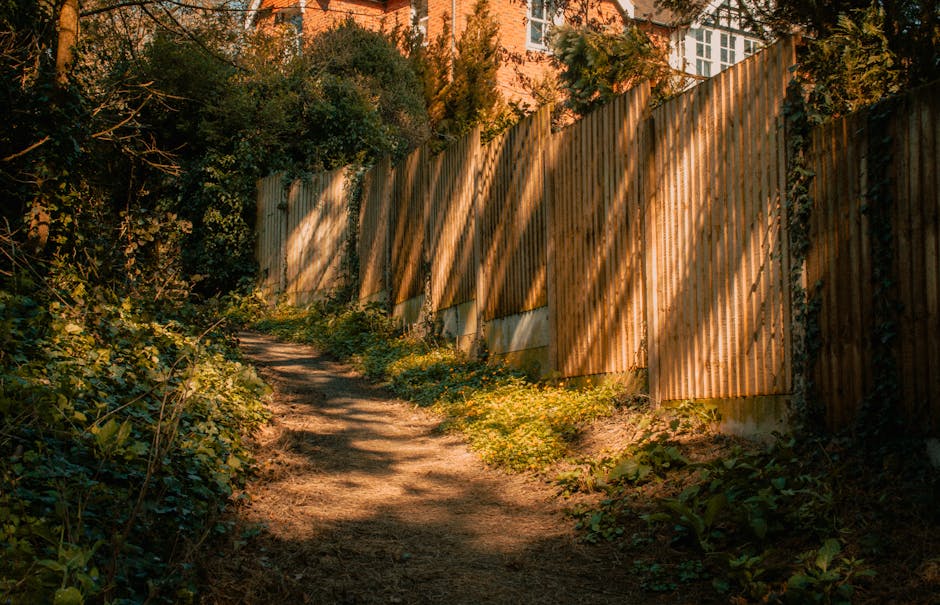
Imagine a rear garden reached through a narrow side return, then down a short set of uneven steps. The lawn sits below the house level, a hedge leans into the access route, and a patch of ivy is creeping over a retaining wall. The homeowner has tried to keep on top of it, but every visit feels like a full workout.
A practical response would not start with fancy planting. It would start with access. Clear the route. Remove the overgrowth that narrows movement. Tidy the hedge so it no longer drags against shoulders or tools. Deal with the ivy before it thickens the wall. Then, once the space is safe and reachable, simplify the planting and adjust the maintenance routine.
In a case like that, the biggest win is not just visual. It is emotional. The owner stops dreading the garden. They can walk through it without thinking, "Oh no, not again." That matters more than people admit. And yes, the lawn looks better too.
Practical Checklist
Before booking or starting any steep-access work, run through this checklist.
- Have you mapped the full access route from front to back?
- Are there slippery steps, narrow turns, or low-clearance areas?
- Do you know which tasks are heaviest or most awkward to move?
- Is there a safe place to set down tools and waste bags?
- Are hedges, ivy, or shrubs narrowing the access further?
- Will the garden need a one-off clearance, routine maintenance, or a redesign?
- Are there any drainage, erosion, or surface issues to correct first?
- Have you thought about lower-maintenance planting for the long term?
- Do you have a sensible plan for green waste removal?
- Have you checked the provider's safety, insurance, and service details?
One more small thing: take photos before any major work begins. They help you see progress clearly, and they make future planning easier. Handy little habit, that.
Conclusion
Hornsey Park Road garden services for steep access plots are about more than basic maintenance. They are about making a difficult garden workable, safer to use, and easier to keep in shape over time. On a steep plot, the best results come from smart planning, the right tools, and choices that reduce future effort rather than simply reacting to what is overgrown today.
If your garden is hard to reach, don't assume that awkward access is something you just have to live with. A well-thought-out service can cut the workload, improve safety, and bring real order back to the space. That kind of relief is hard to beat, honestly.
Get a free quote today and see how much you can save.
Frequently Asked Questions
What makes a steep access plot different from a normal garden?
A steep access plot is harder to work on because every movement takes more effort. Carrying tools, moving waste, and even walking safely can be more demanding, especially if steps or narrow side routes are involved.
Can garden services still work if the only access is through the house?
Yes, but the job needs careful planning. Good services will think about protection for floors, route management, waste handling, and keeping disruption to a minimum. It is a bit more involved, but very manageable.
Is steep-access garden work more expensive?
It can be, depending on the time, labour, and access challenges involved. A quote is usually shaped by how difficult the route is, how much waste needs removing, and whether specialist equipment or extra care is required.
What kind of maintenance is easiest on a steep garden?
Simple, regular maintenance tends to work best. That usually means lighter pruning, consistent weed control, manageable planting, and keeping paths and steps clear so the garden never becomes a larger access problem.
Do steep gardens need special plants?
Often, yes. Plants that need less frequent pruning or suit slope conditions are usually easier to manage. Ground cover, compact shrubs, and certain climbers can work well if they are matched to the site properly.
What are the biggest safety risks on a steep plot?
Slips, trips, awkward lifting, and unstable footing are the main concerns. Wet steps, loose paving, moss, and cluttered routes can make those risks worse, so access should always be checked before work starts.
Should I clear the garden first or ask for a redesign?
If the plot is heavily overgrown, a clearance often makes sense first because it reveals the real structure of the space. After that, you can decide whether a redesign, more regular maintenance, or both would be the better long-term move.
Can steep-access gardens still have lawn areas?
They can, but the lawn needs to be practical to maintain. In some cases, a smaller lawn or a mixed approach with ground cover, beds, and paths is easier than trying to maintain a large slope-heavy lawn area.
How do I prepare for a garden visit on a steep plot?
Clear the main route as much as possible, unlock gates, move fragile items, and note any access concerns in advance. A quick heads-up about slippery steps or tight turns can save a lot of hassle later.
What should I ask before hiring a service for a steep-access garden?
Ask how they handle access, waste removal, safety, insurance, and quote calculation. It is also sensible to ask whether they have experience with similar plots and whether the work will be split into stages if needed.
Are ivy and hedges harder to manage on steep gardens?
Usually, yes, because both can narrow access and create extra waste. If left too long, they can make movement around the garden more difficult, which is why they are often dealt with early in the process.
What is the best first step if my steep garden feels overwhelming?
Start with an honest assessment of access and safety. Once you know what is difficult to reach, what is overgrown, and what can be simplified, the whole project becomes much less daunting. One step at a time, really.